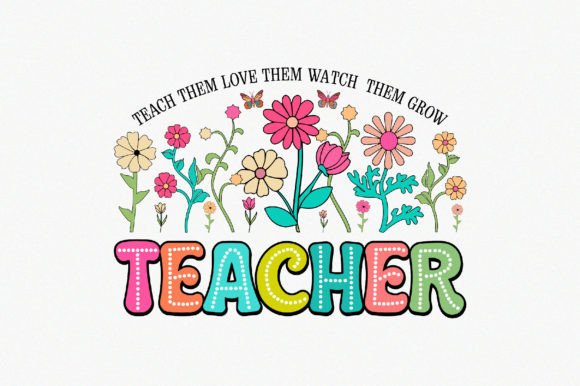
Retro Teacher PNG Sublimation: A Designer’s Review
As a designer who spends half my life digitizing patterns and the other half testing them on actual fabric, I have learned to look past the glossy mockups. We all know that what looks crisp on a screen can sometimes turn into a tangled mess of thread under the needle. When I first pulled up Retro Teacher PNG Sublimation1, my immediate reaction was not just about aesthetics, but about application. This is a piece of digital art rooted in the Crafts and Graphics categories, but its true value lies in how it translates to physical products. For embroidery designers, Etsy sellers, and handmade shop owners, understanding this translation is the difference between a bestseller and a return.
First Impressions: Nostalgia Meets Modern Layout
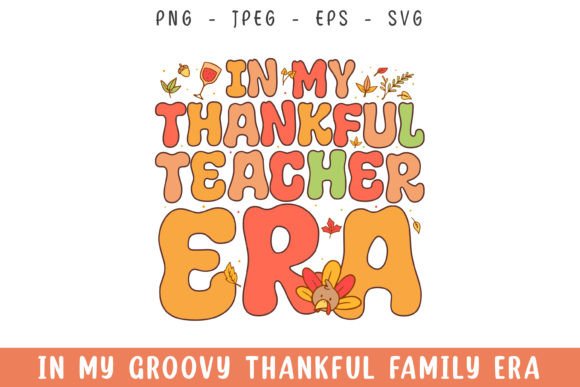
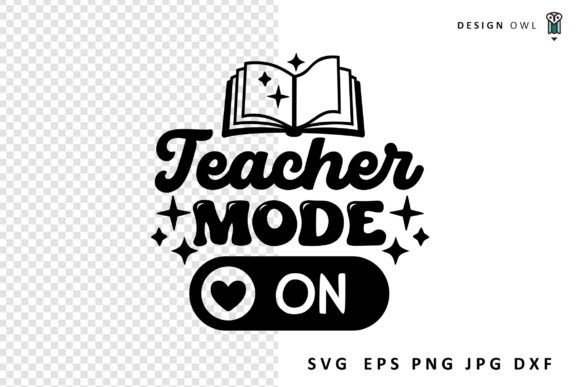
The visual personality of this design leans heavily into nostalgia. The retro theme creates an instant emotional connection, evoking memories of classic schoolrooms and vintage typography. From a layout perspective, the composition feels balanced. It does not suffer from the cluttered edges that often plague lower-quality design assets. The shapes are distinct, which is crucial when we consider how these lines will convert into stitches. Whether you are creating a personalized gift for a favorite educator or stocking your small shop product line with teacher appreciation items, the mood here is warm, professional, and inviting.
However, as an experienced reviewer, I must note that this is primarily a sublimation-ready file. The product description highlights a print-ready PNG at 4500×5400 pixels with 300 DPI, along with EPS and PDF formats. This means the design is optimized for heat transfer and printing rather than direct machine stitching. For those of us in the embroidery world, this requires a strategic approach. We are not simply loading an embroidery file into our machines; we are adapting a graphic for textile use.
Real-World Application: The Sweatshirt Test
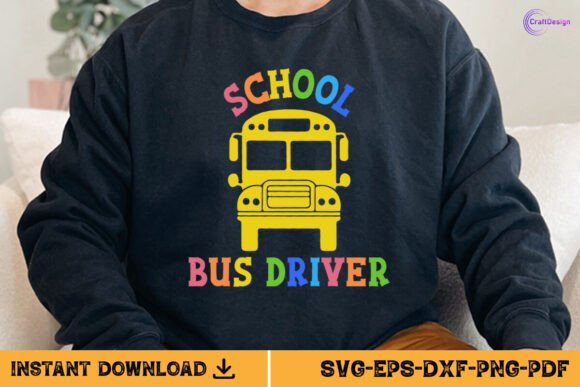
To truly evaluate Retro Teacher PNG Sublimation1, I imagined a real-life scenario: preparing a custom order for a local school’s end-of-year gifts. The client wanted high-quality custom apparel that felt boutique rather than mass-produced. While the primary use case here is sublimation on polyester blends, many crafters combine techniques. Imagine using this PNG for a full-color sublimation print on a white polyester jersey, then adding simple embroidered accents like a border or a small icon using a satin stitch.
If you are strictly an embroiderer, you might use this graphic as a reference to create your own digitized version. The clear lines and bold themes make it an excellent candidate for conversion into an applique design. By cutting fabric shapes to match the retro elements and securing them with a running stitch or zigzag, you can replicate the look while avoiding the dense stitch counts that often result from trying to fill large graphic areas with thread. This approach saves time, reduces puckering, and results in a softer hand feel on the finished product.
Navigating Fabric and Technique Constraints
Every designer knows that fabric texture dictates success. When working with designs intended for sublimation, we often deal with synthetic fabrics. If you are transitioning this look to embroidery, be mindful of stretchy fabric like performance tees or hoodies. Without proper stabilization, even a well-digitized pattern can distort. Always use a cut-away stabilizer for garments that will be washed frequently, such as a sweatshirt embroidery project or a daily-use tote bag design.
There are also limitations to consider regarding detail. Retro designs often feature intricate fonts or small decorative elements. On a curved surface like a cap or a small embroidered patch, tiny details can get lost. If you decide to digitize this concept for a baby embroidery item, simplify the lines. Thick, bold outlines work better for small hoop size constraints than fine, intricate shading. Additionally, consider thread colors carefully. High contrast is key. If you are stitching on dark fabric, ensure your design elements pop, or consider using a light-colored backing fabric for applique to maintain visibility.
Commercial Value and Brand Consistency
For the Etsy seller or craft business owner, consistency is currency. Using a cohesive design like Retro Teacher PNG Sublimation1 helps build a recognizable brand aesthetic. Whether you are selling holiday embroidery items or year-round commercial embroidery services, having a library of reliable, themed graphics allows you to create printable mockup previews that look professional. These mockups drive buyer engagement and trust.
Customers are drawn to products that look thoughtful. A sloppy stitch-out or a pixelated print suggests carelessness. In contrast, a clean, well-executed design signals quality. When you use high-resolution Graphics like this PNG, you ensure that your marketing materials look as good as the physical item. This alignment between digital presentation and tactile reality is what converts browsers into buyers. It enhances the perceived value of your handmade product, allowing you to price your work competitively while maintaining healthy margins.
Practical Notes for the Smart Crafter
Before you commit to a large production run, take these practical steps. First, always test the design on scrap fabric. If you are sublimating, check color vibrancy and heat settings. If you are embroidering a derived version, check your stitch density. Dense areas can cause fabric bunching, especially on thinner materials like kitchen towels or pillow covers.
Second, verify your licensing. The inclusion of EPS and PDF files suggests versatility for various crafting methods, but always confirm whether the license permits commercial use for finished goods or if it is restricted to personal projects. This is critical for digital product sellers who might want to offer the design itself versus those selling physical items.
Finally, consider the end user. A teacher receiving a personalized gift wants something durable and comfortable. Avoid placing heavy embroidery directly against the skin on collars or cuffs. Instead, place the design on the chest or back of a hoodie where it can be appreciated without compromising comfort. By thinking through these details, you elevate your work from simple crafts to professional-grade merchandise.
In conclusion, Retro Teacher PNG Sublimation1 is a versatile asset for the modern maker. While it is technically a sublimation graphic, its clean lines and thematic appeal make it a strong foundation for various embroidery projects. Whether you are printing on mugs and pillows or adapting the look for stitched apparel, understanding the interplay between digital design and physical execution is key. Use it wisely, test thoroughly, and let the retro charm speak for itself in your next collection.